




Advanced Diagnostics in Urgent Care: A Game-Changer for Faster Treatment
The integration of advanced diagnostic tools into urgent care centers has revolutionized patient care. What was once limited to basic physical exams and minimal lab work has now expanded into a comprehensive, high-tech approach to diagnosing and treating conditions in real-time. This shift is not just improving the efficiency of care, but also enhancing treatment outcomes, reducing wait times, and empowering patients with immediate answers.
At Rapid Care Center, we are proud to be at the forefront of this transformation, providing patients with advanced diagnostic capabilities that allow for faster, more accurate treatment in a convenient and accessible setting.
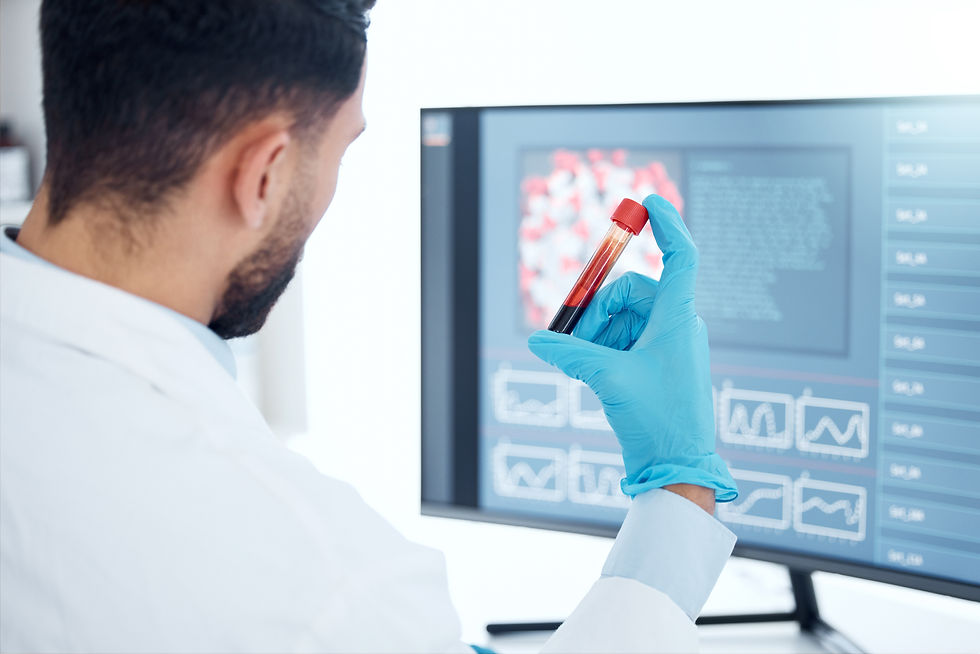
The Evolution of Diagnostics in Urgent Care
Historically, urgent care centers were equipped with basic tools for evaluating injuries, infections, and minor illnesses. However, as patient expectations and healthcare demands have evolved, so has the technology used to diagnose and treat these conditions. The adoption of advanced diagnostics has paved the way for faster and more precise care, especially for conditions that require immediate attention.
Key Advancements in Diagnostic Technology
1. Point-of-Care Testing (POCT)
With the advent of rapid diagnostic tests, urgent care centers can now provide immediate results for a range of conditions. POCT technologies include:
Rapid Strep Tests
Flu and COVID-19 Antigen Tests
Urine and Blood Tests
Rapid Pregnancy Tests
These tests allow for real-time decision-making and treatment initiation, ensuring that patients are not left waiting for days for results.
2. Advanced Imaging Capabilities
Many urgent care centers now offer on-site imaging, such as:
X-rays for fractures, sprains, or respiratory issues
Portable Ultrasound for soft-tissue injuries, abdominal pain, and more
CT Scans for more complex cases when needed
This diagnostic capability allows clinicians to quickly assess injuries, illnesses, and conditions that require immediate imaging, reducing the need for referrals to hospitals or imaging centers.
3. In-House Lab Capabilities
Instead of waiting for laboratory results from outside facilities, many urgent care centers now offer in-house lab services, including:
Blood Cultures
Comprehensive Blood Panels
Comprehensive Urinalysis
This level of diagnostic ability ensures faster treatment, better clinical insight, and immediate care decisions that are crucial for conditions such as infections or metabolic imbalances.
4. EKG and Cardiac Monitoring
The integration of electrocardiograms (EKG) into urgent care settings has expanded the ability to assess heart-related concerns, including chest pain, arrhythmias, and other cardiovascular conditions, in real time. This technology helps identify life-threatening conditions before they escalate.
Benefits of Advanced Diagnostics in Urgent Care
1. Faster Diagnosis, Faster Treatment
The biggest advantage of advanced diagnostics in urgent care is the speed with which treatment decisions can be made. Patients no longer have to wait days for lab results or imaging reports. Instead, diagnosis and treatment can occur during the same visit, minimizing delays and improving overall outcomes.
2. Improved Accuracy
With the latest diagnostic tools, accuracy is enhanced. Real-time tests and imaging can detect conditions with greater precision, reducing the likelihood of misdiagnosis and improving the overall effectiveness of the treatment plan.
3. Reduced Emergency Room Overcrowding
As urgent care centers adopt more sophisticated diagnostic capabilities, they become a reliable alternative to emergency rooms for a wide range of non-emergency cases. This not only improves patient care but also helps relieve pressure on emergency departments, allowing them to focus on more critical cases.
4. Increased Patient Satisfaction
Patients appreciate the convenience of receiving comprehensive, same-day care. With faster diagnostics and treatment, the need for follow-up appointments or referrals is reduced, which leads to higher levels of patient satisfaction.
The Role of Advanced Diagnostics in Preventive Care
While urgent care centers are often associated with immediate treatment of acute conditions, the integration of advanced diagnostics is also making it easier to detect potential health risks early on. Routine screenings and diagnostic tests—such as blood pressure checks, cholesterol panels, or diabetes screenings—allow urgent care centers to play a proactive role in patient health, potentially preventing more serious conditions down the road.
The Future of Diagnostics in Urgent Care
As medical technology continues to advance, the scope of diagnostics in urgent care is likely to expand further. Innovations like artificial intelligence (AI) for imaging analysis, wearable health monitors, and genetic testing for personalized medicine may soon become routine in urgent care centers, offering even more precise and individualized care.
At Rapid Care Center, we are committed to staying ahead of these advancements to ensure that our patients receive the most efficient, accurate, and timely care possible.
Conclusion: A New Era of Urgent Care
The integration of advanced diagnostics into urgent care centers marks a new era in healthcare—one where patients can access comprehensive, high-quality care quickly and without the need for hospital visits. At Rapid Care Center, our goal is to offer the latest in diagnostic technology, ensuring that our patients receive the most effective and efficient care possible, right when they need it.
Faster diagnosis. Better outcomes. Comprehensive care.



Comments