




How Families Can Prepare for the Fall Illness Season
Fall brings more than cooler temperatures and changing leaves. As children return to school, families spend more time indoors, and respiratory viruses begin circulating, households can see an increase in colds, influenza, COVID-19, RSV, sore throats, ear infections, and other illnesses.
For the 2026–2027 respiratory illness season, the Centers for Disease Control and Prevention (CDC) expects influenza, COVID-19, and RSV to continue contributing to respiratory illness during the fall and winter months. Its current outlook anticipates a combined peak hospitalization burden similar to the previous season.
Preparing before illness spreads through the household does not guarantee that everyone will stay healthy. It can, however, make it easier to recognize symptoms, reduce transmission, and know when medical evaluation is appropriate.

Why Fall Can Mean More Illness at Home
Fall changes how people interact.
Children return to classrooms. College students move into dormitories. Families spend more time indoors. Workplaces become more enclosed, and people have more opportunities for close contact.
Respiratory viruses can spread through these interactions.
The CDC identifies influenza, COVID-19, RSV, and other respiratory viruses as important causes of illness and recommends a combination of vaccination, hygiene, cleaner air, and staying home when sick to reduce risk.
1. Review Your Family's Recommended Vaccinations
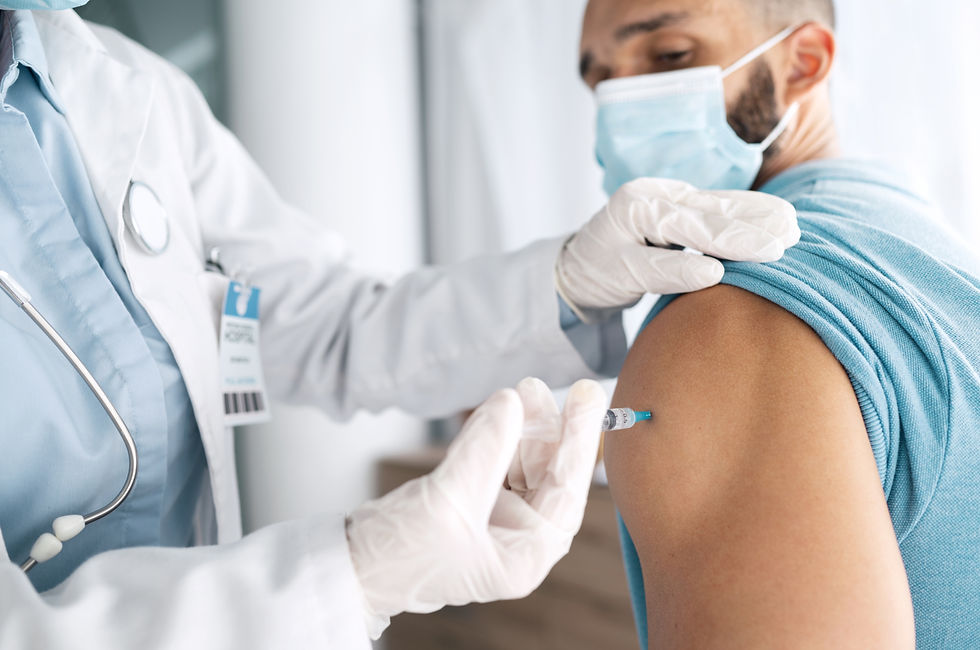
Vaccination should be part of a family's fall health preparation.
For the 2026–2027 flu season, CDC recommends annual influenza vaccination for everyone 6 months and older, with rare exceptions. For most people who require one dose, September and October are generally good times to receive the vaccine, ideally by the end of October.
The timing can differ for certain groups, including young children and older adults.
Families should also review whether household members are due for other recommended immunizations. CDC notes that recommendations may include vaccines for COVID-19, RSV, pneumococcal disease, shingles, or whooping cough depending on age and individual circumstances.
Vaccination decisions should be based on current recommendations and an individual's health circumstances.
2. Know What Symptoms to Watch For
Not every fever, cough, or runny nose requires a medical visit.
Families should understand the symptoms that commonly accompany respiratory illnesses, including:
Fever or chills
Cough
Sore throat
Runny or stuffy nose
Headache
Fatigue
Muscle or body aches
Some illnesses can also cause vomiting or diarrhea.
The CDC notes that influenza can occur without fever, so the absence of a fever does not necessarily rule out flu.
The more useful approach is to look at the overall pattern and severity of symptoms.
3. Keep Basic Supplies Available
A well-prepared household does not need a large medical stockpile.
Consider having basic supplies available, such as:
Thermometer
Tissues
Soap
Alcohol-based hand sanitizer
Appropriate over-the-counter medications
Oral rehydration fluids when appropriate
Cleaning supplies
For households with young children, older adults, or people with chronic medical conditions, it can also be useful to keep a current list of medications, allergies, and healthcare contacts readily available.
4. Make Hand Hygiene Routine
Hand hygiene remains one of the simplest ways to reduce the spread of respiratory infections.
The CDC recommends regularly washing hands and using alcohol-based hand sanitizer when soap and water are unavailable. It also recommends covering coughs and sneezes and cleaning frequently touched surfaces.
Pay particular attention to handwashing:
Before eating
After coughing or sneezing
After returning home
After caring for someone who is sick
After using the bathroom
Before preparing food
These habits are especially important when multiple family members are sharing the same living space.
5. Pay Attention to Indoor Air
Fall and winter often mean more time indoors.
Cleaner indoor air can be another layer of protection against respiratory viruses. The CDC recommends taking steps to improve indoor air quality where possible as part of its core respiratory-virus prevention strategies.
Depending on the setting, this may include:
Increasing ventilation
Bringing in outdoor air when practical
Using appropriate air filtration
Avoiding crowded, poorly ventilated spaces when illness is circulating
These measures do not replace vaccination or other preventive practices, but they can complement them.
6. Have a Plan for When Someone Gets Sick
One of the most useful preparations is knowing what your family will do before someone develops symptoms.
If a household member develops a respiratory illness, consider:
Limiting close contact with other household members when possible
Improving ventilation
Increasing hand hygiene
Avoiding sharing personal items
Monitoring symptoms
Considering testing when appropriate
Contacting a healthcare professional if symptoms are concerning
CDC guidance recommends that people with respiratory-virus symptoms stay home and away from others until, for at least 24 hours, their symptoms are improving overall and they have been free of fever without using fever-reducing medication. CDC then recommends additional precautions for the following five days when around others.
7. Know Which Family Members May Need Earlier Attention
Respiratory illnesses can affect anyone, but the risk of serious illness is not the same for everyone.
CDC identifies groups at increased risk for serious influenza complications, including:
Young children
Adults 65 and older
Pregnant people
People with asthma
People with diabetes
People with certain heart or lung conditions
People with weakened immune systems
Vaccination and early attention to symptoms can be particularly important for these groups.
If someone in your household is at higher risk, discuss in advance what symptoms should prompt a call to their healthcare professional.
8. Do Not Assume Every Sore Throat or Cough Needs Antibiotics
Fall illnesses can create pressure to “treat” every symptom quickly.
But many common respiratory illnesses are viral.
Antibiotics work against certain bacterial infections and do not treat viruses such as influenza, COVID-19, or the common cold.
This distinction matters because unnecessary antibiotic use can expose patients to medication side effects and contributes to antimicrobial resistance.
A healthcare professional can determine whether symptoms suggest a condition that may require testing or specific treatment.
9. Recognize When a Child Needs Medical Evaluation
Children can become sick quickly, and parents may find it difficult to determine whether symptoms are within the expected range.
Medical evaluation may be appropriate when a child has:
Persistent or worsening fever
Difficulty drinking
Reduced urination
Significant ear pain
Severe sore throat
Persistent vomiting
Increasing breathing difficulty
Symptoms that improve and then become significantly worse
Unusual sleepiness or behavior changes
For infants, particularly very young infants, fever requires special attention because age significantly affects the level of concern.
10. Know the Emergency Warning Signs
Some symptoms should not wait for an urgent care visit.
Seek emergency medical care for symptoms such as:
Significant difficulty breathing
Chest pain or pressure
Blue, gray, or pale discoloration associated with breathing problems
New confusion
Severe difficulty staying awake
Fainting
Severe dehydration
Seizures
Other rapidly worsening or life-threatening symptoms
CDC respiratory-virus guidance specifically advises seeking emergency care for warning signs such as trouble breathing or chest pain.
What If Someone Gets Better and Then Gets Worse?
This is a pattern families should pay attention to.
Someone may initially improve and then develop:
Returning fever
Increasing cough
New shortness of breath
Increasing facial or ear pain
Worsening weakness
New symptoms that were not present initially
A return of symptoms does not automatically mean a bacterial infection. However, a significant change after initial improvement can justify medical reassessment.
The CDC advises seeking medical care when respiratory symptoms improve but then return or worsen.
When Urgent Care Can Be Useful
Urgent care can provide an intermediate option when a condition needs timely assessment but does not appear to be an emergency.
Depending on the facility and clinical situation, evaluation may include:
Physical examination
Vital signs
Respiratory assessment
Rapid influenza testing
COVID-19 testing
Strep testing
Ear and throat examination
Urinalysis
Other testing when clinically indicated
The purpose is not simply to provide medication. It is to determine what is causing the symptoms and what level of care is appropriate.
Build a Simple Family Sick-Day Plan
Before fall illnesses begin circulating, families can decide:
Who will stay home from school or work if sick?
Who will care for a sick child?
Which household members are at higher risk?
Where are the thermometer and basic supplies kept?
Which healthcare provider should be contacted?
What symptoms would require urgent or emergency care?
Having these decisions made in advance can reduce uncertainty when someone becomes ill.
Fall Preparation Is About More Than Avoiding Illness
Good preparation is not about trying to eliminate every exposure.
It is about being ready to respond appropriately.
That means:
Prevent where possible.
Recognize symptoms early.
Reduce spread when someone becomes sick.
Know who may be at higher risk.
Seek medical care when symptoms warrant it.
Know the emergency warning signs.
The CDC describes vaccination, hygiene, cleaner air, and appropriate precautions when sick as complementary strategies for reducing respiratory illness risk.
The Bottom Line
Fall illness season does not need to catch families unprepared.
Review recommended vaccinations, keep basic supplies available, practice good hygiene, pay attention to indoor air, and establish a plan for managing illness at home.
Most respiratory illnesses can be managed with supportive care, but symptoms that are severe, worsening, or returning after improvement may require professional evaluation.
The goal is not to treat every cough or fever as an emergency. It is to recognize when a routine illness may no longer be routine—and respond accordingly.
Trusted References
Centers for Disease Control and Prevention (CDC) — 2026–2027 Respiratory Disease Season Outlook.
CDC — Preventing Seasonal Flu; updated September 1, 2026.
CDC — Seasonal Flu Vaccine Basics; updated September 1, 2026.
CDC — Who Needs a Flu Vaccine and vaccination timing.
CDC — Preventing Respiratory Illnesses.
CDC — Preventing Spread of Respiratory Viruses When You're Sick.
CDC — Hygiene and Respiratory Virus Prevention


Comments